Solar Products in Pakistan: A 2026 Component Buyer’s Guide
Understanding solar products in Pakistan is the difference between a system that quietly pays for itself and one that frustrates you for years. In 2026 the market is flooded with panels, inverters, batteries, and accessories at wildly different price points, and knowing what each component actually does helps you spend wisely rather than overpaying or buying junk.
This buyer’s guide breaks the ecosystem into its core parts, explains how to judge quality, and flags the specifications that genuinely matter. Whether you are outfitting a home in Lahore or a workshop in Sialkot, the fundamentals are the same.
The Core Solar Products in Pakistan Explained
A rooftop system is a chain of components, and the weakest link limits the whole. Before comparing prices, understand what you are actually buying so a low quote does not hide a costly compromise.
Solar panels (modules)
Modern monocrystalline panels dominate the market thanks to high efficiency and a small footprint. Look for tier-one manufacturers, a strong power warranty of around 25 years, and a low temperature coefficient so the module holds output in Pakistan’s fierce summers.
Inverters
The inverter converts DC from the panels into usable AC and is the brain of the system. Hybrid inverters, which manage panels, batteries, and the grid together, are now the popular choice because they enable both savings and backup during outages.
Batteries
Storage lets you use solar power after sunset and ride through load-shedding. Lithium-iron-phosphate (LFP) batteries have largely replaced lead-acid for their longer life, deeper usable capacity, and better tolerance of local heat.
How to Judge Quality and Value
Specifications tell the real story once you know which numbers to read. The comparison below highlights the metrics that separate premium solar products from disappointing bargains.
| Component | Key spec to check | Good 2026 benchmark |
|---|---|---|
| Panel | Efficiency & temp coefficient | 21%+ / near -0.30%/°C |
| Inverter | Peak efficiency & warranty | 97%+ / 5–10 years |
| Battery | Cycle life (LFP) | 6,000+ cycles |
| Mounting | Material | Anodised aluminium |
Notice that the cheapest option rarely wins on these metrics. A slightly pricier inverter with higher efficiency and a longer warranty usually delivers more lifetime value than a bargain unit that fails early.
- Always verify warranties are honoured locally, not just printed on a box.
- Match inverter capacity to both your array size and future expansion plans.
- Prefer LFP chemistry for batteries in Pakistan’s climate.
- Insist on genuine, traceable components, not repackaged grey-market stock.
When you shop for solar products in Pakistan, ask the vendor to show datasheets and serial numbers so you can confirm authenticity before paying.
Which Solar Products Suit Your Needs?
The right basket of products depends on your goal. A pure savings play differs from a backup-first setup, and matching products to intent prevents overspending.
- Bill reduction only: quality panels plus an efficient grid-tie or hybrid inverter, no large battery.
- Backup priority: hybrid inverter plus a generously sized LFP battery bank.
- Full independence: larger array, robust inverter, and substantial storage for off-grid operation.
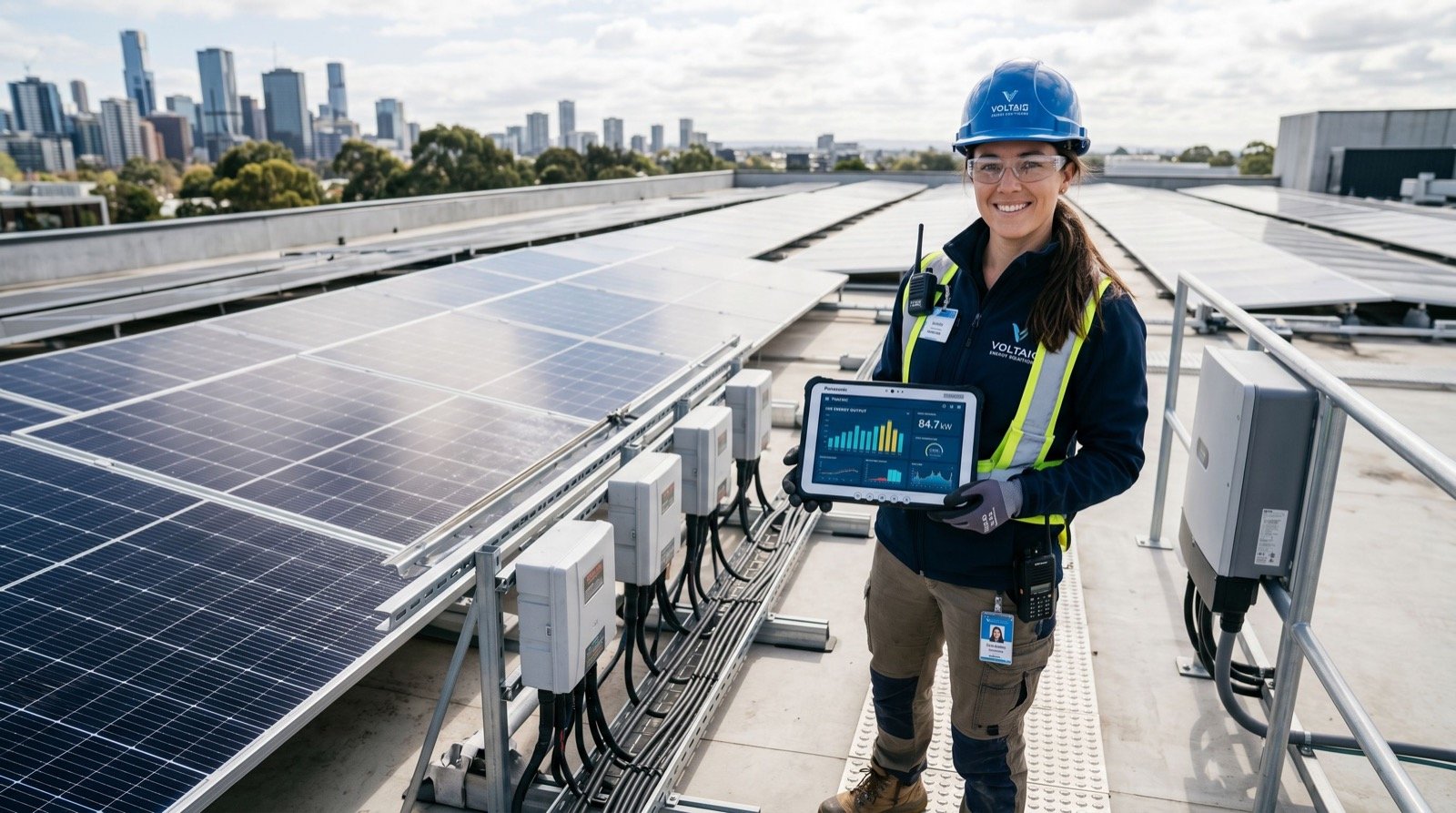
Installation quality ties it all together. Even premium products underperform if wiring, earthing, and mounting are sloppy, which is why professional fitting matters as much as the hardware itself. For example, a well-executed solar installation in Sialkot pairs the right components with local expertise on wind loads and roof types.
Balance-of-System Products You Should Not Overlook
Buyers obsess over panels and inverters, then let the vendor pick everything else. That is a mistake, because the supporting products decide whether the system is safe and durable. Cables, breakers, surge arresters, and connectors quietly determine how much energy actually reaches your appliances.
Undersized or low-grade DC cable wastes power as heat and can even pose a fire risk. UV-rated, correctly sized wiring keeps losses low across the roof’s harsh sun. Likewise, quality MC4 connectors and proper crimping prevent the hot spots that plague cheap installations.
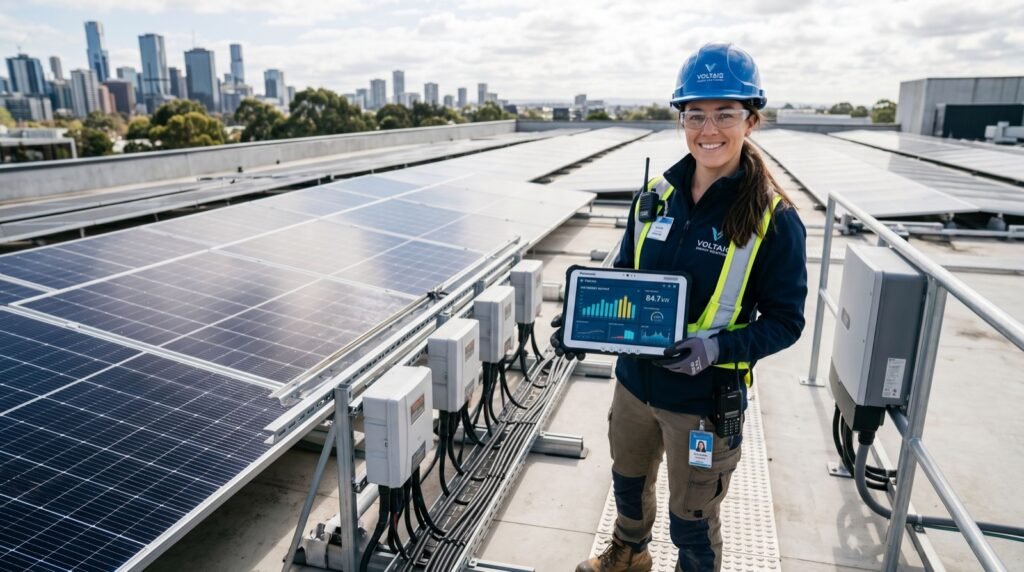
- DC/AC cabling: UV-rated, copper, sized to the current with minimal voltage drop.
- Protection: DC breakers, fuses, and surge arresters for both panel and grid sides.
- Earthing: a proper earth pit and lightning protection, essential during monsoon storms.
- Monitoring: a data logger or app so you can track daily yield and spot faults early.
When comparing quotes, ask vendors to itemise these products rather than bury them in a single figure. A transparent breakdown reveals whether corners are being cut on the components you never see but always depend on.
Warranties and after-sales support
A warranty is only as strong as the company honouring it. Confirm who services a fault, how quickly, and whether replacement stock is held locally. Panels may promise 25 years, but if the seller vanishes, that promise is worthless. Local presence and a track record matter as much as the printed terms.
Standards, Safety, and Certification
Reputable solar products carry international certifications that prove they meet safety and performance standards. Panels tested to IEC standards and inverters certified by recognised bodies are far less likely to fail or void your insurance.
For deeper technical grounding, the U.S. Department of Energy Solar Energy Technologies Office publishes accessible explanations of how photovoltaic components and system design affect real-world output. Reading a little before you buy sharpens the questions you ask vendors.
Avoiding counterfeit components
Grey-market panels and relabelled inverters circulate widely. Buy from established sellers, demand original documentation, and be wary of prices that seem too good. A counterfeit inverter can fail within months and take your warranty and savings with it.
Frequently Asked Questions
Which solar products in Pakistan offer the best value in 2026?
Tier-one monocrystalline panels paired with a high-efficiency hybrid inverter and an LFP battery give the best balance of performance, longevity, and price for most homes this year.
Are lithium batteries better than lead-acid?
For most users, yes. Lithium-iron-phosphate batteries last far longer, offer deeper usable capacity, and cope better with heat, making their higher upfront cost worthwhile over the full lifespan.
Can I mix products from different brands?
Often yes, but compatibility matters. Confirm that your inverter supports your chosen battery and panel configuration, ideally through a professional who can validate the full design.
How do I verify a component is genuine?
Request the datasheet and serial number, then check it against the manufacturer’s records or portal. Reputable sellers welcome this; evasive ones are a red flag.
Final Word
Buying solar products in Pakistan wisely comes down to understanding each component, reading the specifications that matter, and refusing to compromise on authenticity. Get those fundamentals right in 2026 and your system will reward you with lower bills and dependable power for decades.
Ready to build your system? Consult trusted professionals, gather itemised quotes with real brand names, and verify every warranty before you pay. Smart choices today mean cleaner, cheaper energy for years to come.